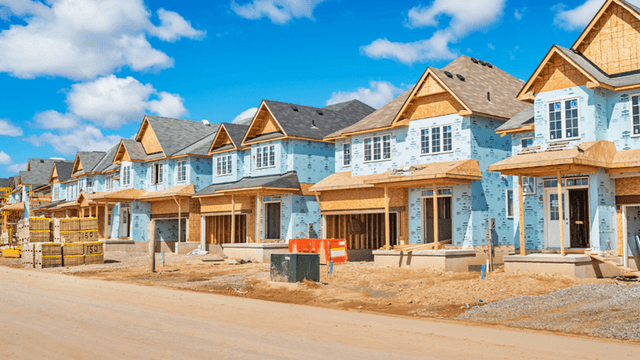
Rising inventory is changing the residential housing market, yet elevated mortgage rates continue to restrict purchasing power.
American homebuyers are encountering a residential market that offers more options but remains difficult to enter. A Redfin report published on October 12 found that pending home sales had dropped to a level not seen since 2014, apart from the extraordinary interruption during the early pandemic period.
The report showed that pending sales fell 4% in September compared with the previous month on a seasonally adjusted basis. The decline signaled that higher borrowing costs were discouraging many households from committing to home purchases, even as the supply of available properties increased.
For residential buyers, the situation creates a complicated balance. More listings can improve the chances of finding a suitable home and negotiating favorable terms, but those opportunities are less useful when the monthly mortgage payment remains beyond a household’s budget.
Inventory Creates More Choices
During periods of limited housing supply, buyers often compete for a relatively small number of properties. Multiple offers, short decision windows, and limited negotiating flexibility can make the process difficult, particularly for first-time purchasers.
An increase in available homes can reduce some of that pressure. Buyers may have more time to compare neighborhoods, inspect properties, review financing options, and assess whether a listing represents reasonable value.
Additional inventory can also encourage sellers to make improvements or adjust prices when comparable properties are competing for the same pool of purchasers.
However, the benefits depend on the type and location of the available homes. An increase in luxury listings does not necessarily help households seeking entry-level properties. Similarly, greater supply in one metropolitan area does not resolve shortages in another.
Residential market conditions are shaped by the relationship between the number of homes offered for sale and the needs of local households. National inventory measures provide useful context, but buyers still need to understand conditions within their preferred neighborhoods and price ranges.
Mortgage Payments Remain a Major Obstacle
Financing costs have become a major constraint on purchasing decisions. Mortgage rates climbed above 7% toward the end of September, increasing the cost of borrowing for households seeking to purchase homes.
The effect of higher rates can be substantial even when the purchase price remains unchanged. A larger share of each monthly payment goes toward interest, while the total interest expense over a long repayment period increases.
Higher rates can also reduce the amount a lender is willing to extend to a borrower. This may push buyers toward less expensive homes, require larger down payments, or force households to delay purchasing until their finances improve.
First-time buyers can be particularly vulnerable because they may have less accumulated home equity and fewer resources available for a down payment. Rent, childcare, transportation, insurance, and other living expenses can further limit the amount available for housing.
Consequently, greater choice does not automatically translate into greater access to ownership.
Buyers May Have More Negotiating Room
When homes remain on the market longer, sellers may become more willing to consider offers below their initial asking prices. Other forms of negotiation can include repair requests, closing-cost assistance where permitted, and additional time for inspections or financing.
These possibilities depend on the property, the seller’s circumstances, and competing demand. A well-priced home in a desirable neighborhood may still attract strong interest even when the broader market slows.
Buyers should also distinguish between an asking-price reduction and an actual improvement in affordability. A lower sale price may reduce the amount borrowed, but a high interest rate can still produce a significant monthly payment.
The total cost of ownership also includes property taxes, homeowners insurance, maintenance, utilities, and, where applicable, homeowners association fees. These expenses can vary considerably among properties with similar purchase prices.
A home that appears affordable based solely on its listing price may therefore impose a much larger financial commitment than anticipated.
Sellers Face a Different Market
For homeowners preparing to sell, increasing competition can make accurate pricing more important. A property priced substantially above comparable homes may receive fewer showings or remain listed while buyers consider alternatives.
Presentation and condition can also affect how a home performs. Buyers comparing several similar listings may pay closer attention to maintenance, energy efficiency, necessary repairs, and the likely cost of improvements.
Sellers must also consider that buyers’ financing arrangements can affect whether a transaction reaches closing. A signed contract is not a guarantee of completion, particularly when appraisal results, loan approval, inspections, or changing financial circumstances create complications.
Real estate professionals can help sellers evaluate comparable sales and understand the pace of activity in their immediate market. Broad national headlines are useful background, but local evidence remains more relevant when setting an asking price.
Housing Needs Extend Beyond Market Statistics
The residential housing market affects household stability, mobility, and long-term financial planning. When homeownership becomes more expensive, some families remain renters longer than they expected, while others reconsider the size, location, or type of property they can purchase.
Delayed purchases can also influence household decisions about commuting, education, family formation, and relocation for work. These consequences vary by household, but they demonstrate why affordability is more than a measure of property prices alone.
A functioning housing market must connect available homes with households capable of purchasing them. That requires an appropriate mix of properties, realistic pricing, access to financing, and incomes that can support recurring housing expenses.
The Residential Outlook
The latest pending-sales figures show that additional inventory has not been enough to offset the pressure created by expensive financing. The market may offer buyers more opportunities to compare properties, but the ability to act on those opportunities remains uneven.
Future transaction activity will depend on the interaction of mortgage rates, household incomes, prices, and local housing supply. No single national indicator can determine the direction of every residential market.
For buyers, the distinction between selection and affordability remains essential. For sellers, understanding local demand and pricing realistically has become increasingly important. The broader lesson is that housing availability and purchasing power must improve together if more households are to move successfully into homeownership.

Best Houses Contributor
Covers residential real estate and the agents behind it, from listings and design to the deals that close.
This article features partner, contributor, or branded content from a third party. Members of the Best Houses editorial staff were not involved in the creation of this content. All views and opinions are those of the contributor alone.