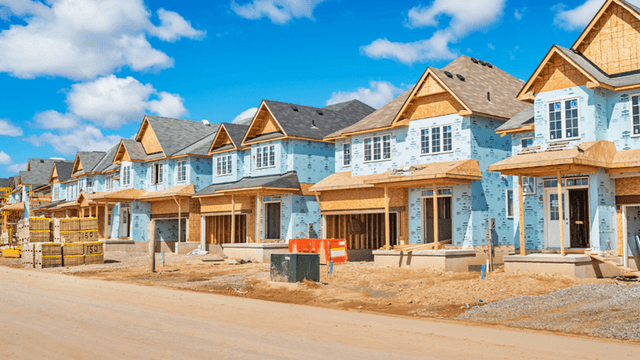
September housing figures show a modest monthly sales increase, but higher prices and financing costs remain barriers to ownership.
Sales improve without resolving affordability concerns
The U.S. housing market recorded a modest increase in existing-home sales in September, offering a limited improvement in transaction activity while affordability remained a challenge for prospective homeowners.
The National Association of Realtors reported that existing-home sales increased 1.5% from August to a seasonally adjusted annual rate of 3.99 million. Despite that monthly gain, sales were 2.2% below their year-earlier level.
The median existing-home price reached $417,500, a 1.3% annual increase. The combination of lower annual sales and continued price growth illustrates the competing pressures affecting buyers and sellers across the residential property market.
A rise in monthly transactions can indicate improved activity, but it does not necessarily mean that purchasing a home has become easier for households facing limited savings or higher borrowing costs.
More homes reach the market
Existing-home inventory increased 1.9% during September to approximately 1.60 million units. At the prevailing sales pace, that represented 4.8 months of supply.
Inventory is an important measure because it helps describe the balance between properties available for sale and the pace at which buyers purchase them. A larger selection may give households more opportunities to compare location, size, condition and price.
Nevertheless, a national inventory figure does not describe every local market. Available properties can differ considerably by region, neighborhood and price bracket. Buyers searching for affordable starter homes may face different conditions from those looking for higher-priced properties.
The quality and location of available homes also matter. A property may be technically available but unsuitable because of commuting distances, repair requirements, insurance costs or the needs of a particular household.
Mortgage costs influence purchasing power
Mortgage interest rates remain a major component of home affordability. Higher rates increase borrowing costs and can reduce the amount a household can finance within a given monthly budget.
The financial calculation extends beyond principal and interest. Homeowners must also consider property taxes, insurance, utilities, maintenance and potential repairs. In some areas, insurance availability and premiums can materially influence the overall cost of ownership.
For prospective first-time buyers, these expenses may make it difficult to accumulate savings while also meeting current rent and living costs.
Existing homeowners face a different set of considerations. Those who secured mortgages at substantially lower rates may be reluctant to sell and finance another property at a higher rate. Such decisions can affect the number of homes entering the market, although individual circumstances vary.
Regional trends differ
The September report showed that existing-home sales increased in the South and West. Activity was unchanged in the Midwest and declined in the Northeast. Compared with the previous year, sales were lower in all four regions.
These variations reflect the importance of local conditions. Population changes, employment opportunities, new construction and household incomes can affect demand and supply differently from one market to another.
Buyers should not assume that national averages accurately represent conditions in their communities. A local market with substantial new construction may offer a different range of options from one where land and development opportunities are limited.
Likewise, a median national price is a statistical midpoint, not the price of every home or an estimate of what a specific property should cost.
What homebuyers should understand
The latest figures demonstrate why transaction volume alone is an incomplete measure of housing accessibility. Monthly sales improved, yet annual sales remained lower and prices continued to rise.
Buyers evaluating a potential purchase need to consider the relationship between the purchase price, available financing and ongoing household expenses. The amount a lender approves does not necessarily determine what a household can comfortably sustain over time.
Sellers, meanwhile, must account for local competition and the financial circumstances of prospective buyers. National price growth does not guarantee that every property will sell quickly or achieve an expected asking price.
The outlook for residential housing
The September data offer evidence of activity returning in some parts of the market, but they do not establish a broad improvement in affordability. Inventory growth can increase choice, while financing costs and prices continue to limit purchasing power.
For American households, access to suitable housing depends on several connected factors, including supply, wages, borrowing costs and local economic conditions. For the residential industry, understanding those factors is essential to interpreting market changes without overstating what one month's figures can demonstrate.

Best Houses Contributor
Covers residential real estate and the agents behind it, from listings and design to the deals that close.
This article features partner, contributor, or branded content from a third party. Members of the Best Houses editorial staff were not involved in the creation of this content. All views and opinions are those of the contributor alone.