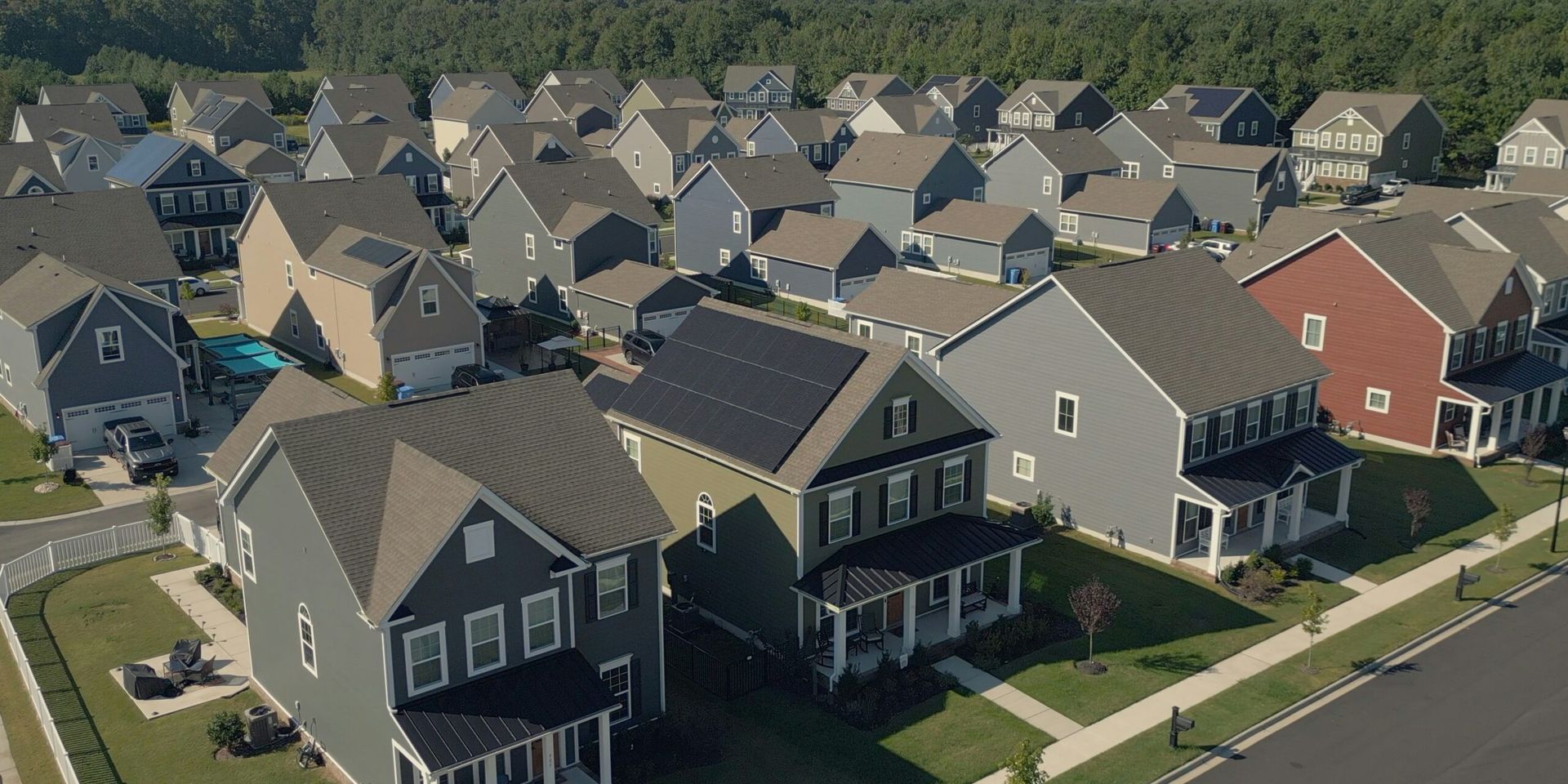
In an effort to combat the ongoing housing affordability crisis in Los Angeles, the City Council has approved new zoning regulations in 2025 that aim to increase the supply of affordable housing units while addressing concerns about urban sprawl and environmental sustainability. These changes come after years of mounting pressure from housing advocates and local residents calling for a more equitable and sustainable approach to development in the city.
The New Zoning Laws Explained
The new zoning laws approved by the Los Angeles City Council focus on increasing the density of residential development in key areas near transit hubs. The goal is to build more affordable housing units in high-demand neighborhoods, particularly in areas that are well-served by public transit. By increasing the allowable density in these neighborhoods, the city hopes to make housing more accessible for middle- and low-income residents.
Under the new regulations, developers will be able to build taller buildings and larger complexes than previously allowed in certain areas. The city is also relaxing parking requirements for new residential developments in transit-oriented zones, which is expected to make it easier for developers to build more units on smaller plots of land.
Addressing Opposition to Increased Density
While the zoning changes have been hailed by many as a necessary step in addressing the housing crisis, they have faced opposition from local residents and community groups. Critics argue that increased density could lead to overcrowding, higher traffic congestion, and strain on public infrastructure. Some neighborhood associations have voiced concerns that these changes will lead to gentrification and the displacement of low-income residents.
To address these concerns, the city has included provisions in the new laws that require developers to include affordable housing units in new projects. This requirement aims to ensure that the benefits of increased density are shared by all residents, not just wealthier newcomers. The city is also working to implement measures that will mitigate the impact of gentrification, including rent control measures and tenant protections.
The Political and Economic Implications of the New Laws
The passage of these new zoning laws marks a significant shift in Los Angeles’ approach to urban development. By allowing for higher-density construction, the city is attempting to balance the need for more affordable housing with the desire to maintain the character of established neighborhoods. However, the new laws also raise important questions about the future of Los Angeles’ urban landscape.
For developers, the new regulations represent an opportunity to build more units in prime locations and tap into the growing demand for affordable housing. However, the changes also come with challenges, including the need to navigate complex zoning approvals and community opposition.
For residents, the new zoning laws could offer more housing options and lower rents, but the impact of these changes remains to be seen. As Los Angeles continues to grow and evolve, these new regulations will play a crucial role in shaping the city’s housing future.
Conclusion
Los Angeles’ new housing and zoning regulations are a bold step forward in addressing the city’s housing affordability crisis. While the changes have been met with both support and opposition, they represent a significant shift in how the city approaches urban development. As Los Angeles moves toward a more sustainable and equitable future, these new laws will play a key role in shaping the city’s housing market for years to come.

Best Houses Contributor
Covers commercial property, development, and the zoning and regulation shaping where and how America builds.
This article features partner, contributor, or branded content from a third party. Members of the Best Houses editorial staff were not involved in the creation of this content. All views and opinions are those of the contributor alone.