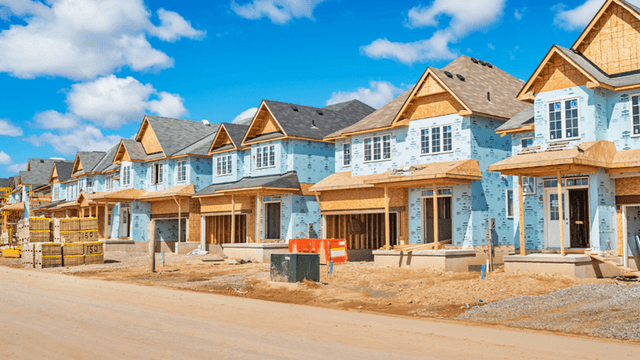
Federal housing officials meet with business and government leaders to discuss how targeted investment incentives can support community development.
The U.S. Department of Housing and Urban Development convened business, government and community leaders in Grand Rapids, Michigan, to discuss Opportunity Zones, a federal initiative intended to encourage investment in designated communities. The meeting highlighted the role that private capital and public policy can play in neighborhood development, including projects involving residential property, commercial buildings and local infrastructure.
For the housing industry, the discussion comes amid continuing questions about how to attract investment to places where development may be constrained by financing challenges, aging buildings or limited demand. Incentives can change the financial calculations for some investors, but the effects on housing availability and neighborhood stability depend on the nature of each project.
Opportunity Zones were established to encourage eligible investors to commit capital to qualifying investments in designated areas. The program's structure is intended to reward longer-term investment, although eligibility requirements and tax treatment depend on the specific investment and applicable rules.
How Incentives Can Influence Development
Real estate projects involve a combination of upfront costs and uncertain future returns. Developers must account for land acquisition, construction, permitting, insurance, financing, maintenance and demand from buyers or tenants. In areas where rents or sale prices are relatively modest, those costs can make projects difficult to finance.
A tax incentive may improve the potential return and encourage some investors to consider projects that would otherwise fall below their financial targets. This can be relevant to the rehabilitation of older housing, redevelopment of vacant commercial properties or construction intended to support a growing local economy.
However, incentives do not remove ordinary market risks. A project can still face delays, rising material costs, limited tenant demand or changes in borrowing conditions. Investors must also understand the rules governing qualifying investments and maintain appropriate records.
Housing Supply and Affordability
The relationship between investment and housing affordability is complex. Additional residential units can help expand supply, particularly where construction has not kept pace with demand. Rehabilitation can also return unused homes to the market and improve the condition of existing properties.
But new development does not automatically produce housing that lower-income households can afford. The price or rent of completed units depends on land costs, construction expenses, financing, operating costs and local market conditions. In areas experiencing rising demand, investment may also put pressure on land prices and rents if new supply does not keep up.
For this reason, policymakers and housing professionals increasingly consider not only how much investment occurs, but also what it produces. Measures can include the number of homes completed, rental affordability, rehabilitation of existing housing, access to transportation and the creation of employment opportunities near residential areas.
Risks for Investors and Communities
Investors considering projects in designated areas must distinguish between a tax advantage and a sound underlying business case. Due diligence remains essential, including an assessment of property condition, market demand, regulatory requirements and the financial capacity of project partners.
Communities also have a stake in how investment is implemented. New development can improve vacant sites, expand services and create jobs, but poorly planned projects can strain infrastructure or leave existing residents unable to afford rising housing costs. Local input can help identify needs and shape projects toward longer-term benefits.
Regulatory compliance is another important factor. Eligibility for a particular tax treatment is not automatic simply because a property is located in a designated area. Investors should verify the relevant requirements with qualified advisers rather than rely on a location-based assumption.
What the Industry Should Watch
The Grand Rapids meeting placed Opportunity Zones within a wider discussion about economic development and the role of private capital. For property professionals, the key question is how incentives translate into completed projects and measurable outcomes.
Developers will continue to weigh the potential advantages of targeted investment against construction costs, financing conditions and local demand. Housing advocates and local officials will look for evidence that new activity supports community needs rather than producing benefits concentrated among a narrow group of investors.
A successful development strategy must connect capital with viable projects and realistic community priorities. That means considering housing supply, commercial activity, infrastructure and the ability of residents to benefit from local economic growth.
Opportunity Zones can influence where investors look, but they cannot replace effective planning or strong project fundamentals. Their lasting contribution will depend on whether the investment they attract creates durable housing, businesses and neighborhood improvements that remain valuable after initial incentives have been applied.

Best Houses Contributor
Covers commercial property, development, and the zoning and regulation shaping where and how America builds.
This article features partner, contributor, or branded content from a third party. Members of the Best Houses editorial staff were not involved in the creation of this content. All views and opinions are those of the contributor alone.