Clark County opened cooling stations across Southern Nevada as an extreme heat warning brought another period of dangerous temperatures to communities throughout the Las Vegas Valley, Moapa Valley and Pahrump Valley.
The county's response followed a National Weather Service warning covering the region as temperatures were expected to climb above 100 degrees. Forecast highs in the Las Vegas area reached the triple digits, prompting officials to make air-conditioned public spaces available to residents who needed relief from the heat.
Cooling stations provide air-conditioned environments where people can temporarily escape extreme outdoor temperatures. Many locations also provide water and access to basic assistance for residents who may be especially vulnerable during periods of prolonged heat.
The latest activation highlights the continuing challenge of extreme summer temperatures in Southern Nevada, where prolonged heat can affect residents, workers, travelers and people without reliable access to air conditioning.
Las Vegas and surrounding communities regularly experience high summer temperatures, but extreme heat events can create additional risks when temperatures remain elevated for several consecutive days.
Public cooling facilities are particularly important for people who may not have adequate cooling at home. They can also provide an option for residents who need a safe indoor location during the hottest part of the day.
County officials encouraged residents to remain aware of changing weather conditions and to use available cooling resources when necessary. The response is part of a broader local effort to reduce the effects of extreme heat across Southern Nevada.
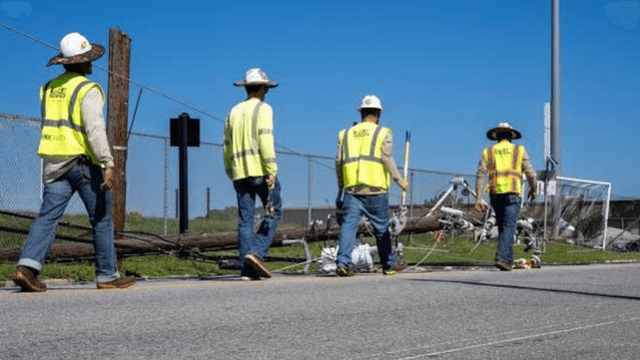
The heat also affects people who work outdoors. Construction workers, delivery personnel, landscapers and other employees who spend extended periods outside face greater exposure to high temperatures. Businesses and employers must account for those conditions when organizing outdoor work.
Transportation and infrastructure can also be affected by extreme temperatures. Heat places additional demand on electricity systems because air-conditioning use increases, while outdoor surfaces and vehicles can become significantly hotter than surrounding air temperatures.
For residents, the practical challenge is not limited to the day's peak temperature. Overnight temperatures can remain elevated, reducing the body's opportunity to recover from prolonged daytime heat.
That makes access to air-conditioned spaces particularly important during extended heat events. Cooling stations can provide temporary relief while residents monitor conditions and determine whether additional precautions are necessary.
Southern Nevada's experience also illustrates the importance of public communication during extreme weather. Weather warnings give residents advance notice, while local cooling facilities provide a concrete resource for those who need relief.
The county's decision to activate multiple locations demonstrates how local governments have adapted to recurring periods of extreme heat. Instead of treating high temperatures solely as a weather concern, communities increasingly approach them as an issue requiring coordinated public services.
The response also carries importance for older adults, young children and people with limited access to reliable cooling. While heat affects everyone, certain groups can face greater difficulty managing prolonged exposure.
Residents are generally encouraged to limit unnecessary outdoor activity during the hottest periods, remain hydrated and seek cooler environments when conditions become uncomfortable or dangerous.
The latest heat warning is also a reminder that Southern Nevada's climate presents different challenges from those faced by communities in other parts of the country. Public cooling resources can become an important component of local emergency preparedness during periods of extreme weather.
The availability of cooling stations does not eliminate the effects of extreme temperatures, but it provides communities with an accessible resource during dangerous conditions.
As Southern Nevada continues to experience rapid population growth, the ability of local governments to respond to extreme weather events remains an important part of community planning.
The latest activation shows how public agencies are using existing community facilities to respond when temperatures reach hazardous levels.
For residents, the central message is straightforward: extreme heat requires preparation, awareness and access to safe indoor environments. With cooling stations operating across the region, Southern Nevada communities have additional resources available as temperatures remain elevated.

Best Houses Contributor
Covers residential real estate and the agents behind it, from listings and design to the deals that close.
This article features partner, contributor, or branded content from a third party. Members of the Best Houses editorial staff were not involved in the creation of this content. All views and opinions are those of the contributor alone.