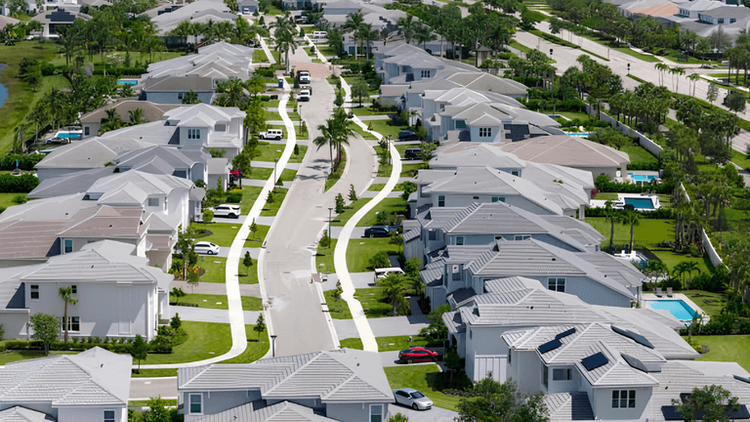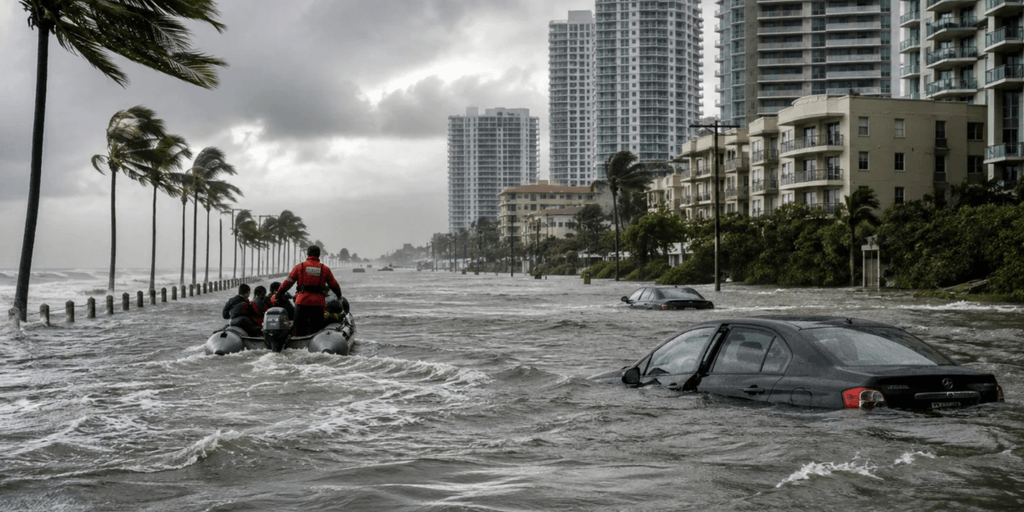
Flooded streets across Florida highlighted the exposure of low-lying homes to high tides, onshore winds and drainage systems under pressure.
Residential property owners along Florida's Atlantic coast faced renewed flooding concerns as unusually high tides and strong northeast winds pushed water into low-lying communities. Reports from South Florida described flooded neighborhood streets, disrupted travel and water reaching areas near homes and businesses. The conditions highlighted the practical challenges of protecting residential property when coastal water levels rise during high-tide periods.
The flooding was not solely a result of rainfall. King tides can push seawater into drainage systems and waterways, raising water levels in neighborhoods close to the coast. When strong winds and heavy showers occur at the same time, water can remain on streets or enter areas where drainage is already constrained.
For homeowners, this distinction matters. Traditional stormwater systems are designed to carry rainwater away from developed areas, but they can become less effective when the receiving waterways are elevated. Water that would ordinarily drain out may have nowhere to go until tide levels fall.
Why low-lying homes face particular exposure
Properties near canals, coastal waterways and low-elevation streets can be vulnerable to flooding even when they are not directly on the beach. The routes water takes through drainage networks, roadside channels and neighborhood waterways can determine which areas experience the greatest impact.
Ground-floor entrances, garages, utility equipment and storage areas may be particularly exposed. Saltwater can damage vehicles and building components, while water entering a home may affect flooring, walls, electrical systems and personal belongings. The cost of cleanup can extend beyond the visible waterline if moisture remains inside building materials.
Flooding can also affect access. A home may remain physically intact while residents face difficulties reaching it because surrounding streets are underwater. For people who need to travel to work, school or medical appointments, even temporary road closures or unsafe driving conditions can create significant disruption.
The Florida flooding reports described roads affected by water during separate high-tide periods, illustrating how conditions can change within the same day. A street that appears passable in the morning may become hazardous again later as water levels rise.
Practical steps for homeowners
Preparedness begins with understanding a property's exposure. Homeowners can review local flood information, observe where water accumulates during heavy rain or high tides, and ask qualified professionals to evaluate drainage or recurring water intrusion. For homes with a history of flooding, an inspection may help identify vulnerabilities that can be addressed before the next event.
Owners should also know how to protect important documents, vehicles and household equipment. When official warnings indicate a risk of flooding, moving valuables away from ground-level areas and avoiding unnecessary travel through standing water can reduce potential losses. Electrical equipment should never be approached in a flooded area if there is a risk that it remains energized.
Insurance coverage is another important consideration. Standard homeowners policies do not necessarily cover every form of flooding, and policy terms vary. Owners should review their coverage directly with their insurer and understand exclusions, deductibles and documentation requirements rather than assuming that all water damage is covered.
Where appropriate, property owners can explore measures such as improving grading, maintaining drainage paths and elevating vulnerable equipment. Any structural or drainage modification should be assessed by qualified professionals and comply with applicable local requirements. Measures suitable for one property may not be appropriate for another.
Implications for buyers and sellers
The event also offers a reminder for residential real estate transactions. Buyers evaluating homes in coastal or low-lying locations should consider flood exposure alongside location, size and price. Asking about previous water intrusion, reviewing available disclosures and examining maintenance records can help build a clearer picture of a property's risks.
Sellers can benefit from maintaining accurate records of repairs and any flood mitigation work. Clear documentation helps establish what has been done, although it does not guarantee that a property will remain unaffected by future flooding.
As Florida communities monitor high tides and changing weather, residential preparedness remains a practical concern rather than a purely theoretical one. The conditions show that property resilience depends on location, drainage, building design and the ability of residents to respond safely. Understanding those factors can help homeowners make more informed decisions about maintenance, insurance and long-term ownership.

Best Houses Contributor
Covers residential real estate and the agents behind it, from listings and design to the deals that close.
This article features partner, contributor, or branded content from a third party. Members of the Best Houses editorial staff were not involved in the creation of this content. All views and opinions are those of the contributor alone.