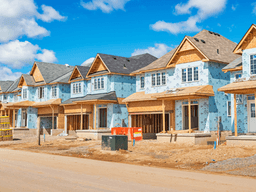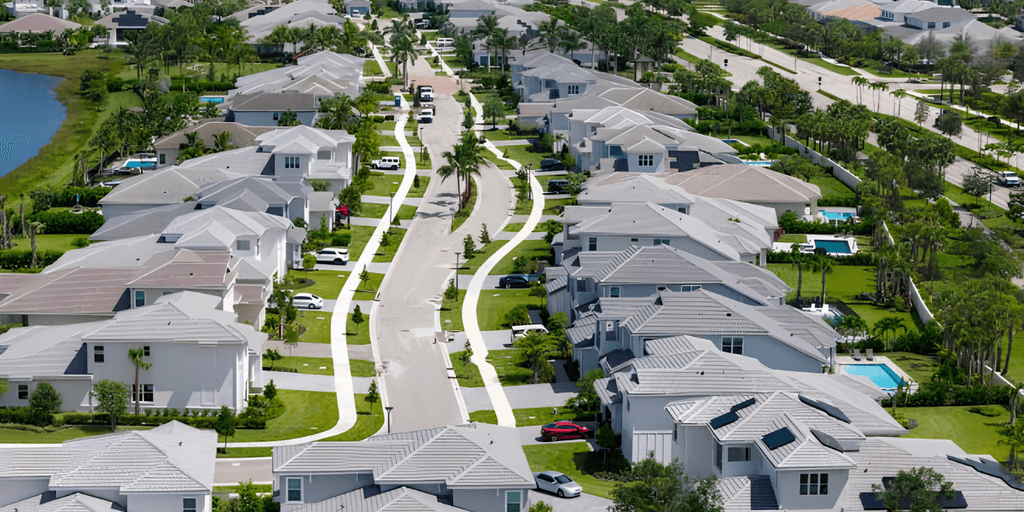
September housing starts fell as developers faced high financing expenses, weaker affordability and continuing constraints on construction activity.
New residential construction slows
U.S. housing starts declined 5.2% in September to a seasonally adjusted annual rate of 1.22 million units, according to data released by the U.S. Department of Housing and Urban Development and the Census Bureau.
The figures, published on October 20, showed that residential construction remained under pressure from financing costs, building-material expenses and affordability challenges.
Housing starts measure the number of residential units on which construction began during a given period, adjusted to an annual rate. The measure offers insight into builders' activity but does not represent the number of homes completed or immediately available for purchase.
The September decline indicates that fewer new residential units were started than the previous month's annualized pace. It does not necessarily mean that every category of housing construction experienced the same change.
Single-family and multifamily construction diverge
Single-family housing starts declined 4.6% to an annualized rate of 859,000 units. Despite the monthly decline, single-family starts remained 2.6% above their level a year earlier.
Multifamily starts, which include apartments and condominiums, fell 6.7% to an annualized rate of 362,000 units. That measure was down 24.9% from September of the previous year.
The contrast highlights the importance of separating different types of residential development when assessing housing supply.
Single-family homes and multifamily buildings serve different segments of the market and involve different development economics. Apartment projects can require larger upfront investments, longer construction periods and different financing arrangements from detached homes.
Changes in either category can affect the future supply of housing, although the number of starts alone does not establish how many units will ultimately be completed or occupied.
Affordability weighs on construction decisions
Mortgage rates affect prospective buyers' purchasing power, while construction financing influences the cost of developing new properties.
When borrowing costs increase, developers may face higher expenses before a project generates revenue. At the same time, buyers may become less able to afford newly built homes, creating uncertainty about the prices at which properties can be sold.
Material expenses, energy costs and labor availability also affect project budgets. Developers must account for these costs when deciding whether to begin construction, change a project's specifications or delay investment.
The National Association of Home Builders reported that builder confidence had fallen to 29 in October, its lowest level since June 2012. Its survey also showed that prospective-buyer traffic weakened substantially.
Together, the figures illustrate the relationship between builder confidence, household affordability and the pace of new development.
What slower construction means for buyers
A reduction in housing starts can influence the future availability of homes, but the effect depends on local market conditions and the mix of projects being built.
In communities where housing supply is already constrained, slower development may limit the number of new properties entering the market later. In areas with more available inventory, the immediate effect may be less pronounced.
Buyers also need to distinguish between homes under construction, completed properties and homes that are actively listed for sale. These categories represent different stages in the housing supply process.
A decline in starts therefore does not automatically translate into an immediate shortage of available homes, but sustained weakness can affect future supply.
Implications for the construction industry
Residential development supports employment across construction trades, engineering, building-material production, lending, inspections and property sales.
When fewer projects begin, contractors and suppliers may experience changes in demand. Developers may also become more selective about land acquisitions and the projects they choose to finance.
However, construction activity differs considerably across regions. Local employment growth, population changes, permitting conditions and land availability can influence whether projects proceed despite national headwinds.
The September report provides a national measure of construction starts, not a complete account of local housing conditions.
The road ahead for residential supply
The September decline shows that U.S. residential construction remained under pressure as affordability and financing costs challenged developers.
Single-family starts were lower month over month but higher than a year earlier, while multifamily starts recorded a much larger annual decline. These differences demonstrate why the housing market needs to be evaluated by property type as well as by overall construction activity.
For homebuyers, the long-term significance lies in how construction activity affects the availability of suitable properties. For builders, the central challenge is delivering housing at prices that buyers can support while managing financing, labor and material expenses.
The latest figures provide evidence of slowing construction, but future supply will depend on subsequent starts, completions, buyer demand and local development conditions.

Best Houses Contributor
Covers residential real estate and the agents behind it, from listings and design to the deals that close.
This article features partner, contributor, or branded content from a third party. Members of the Best Houses editorial staff were not involved in the creation of this content. All views and opinions are those of the contributor alone.