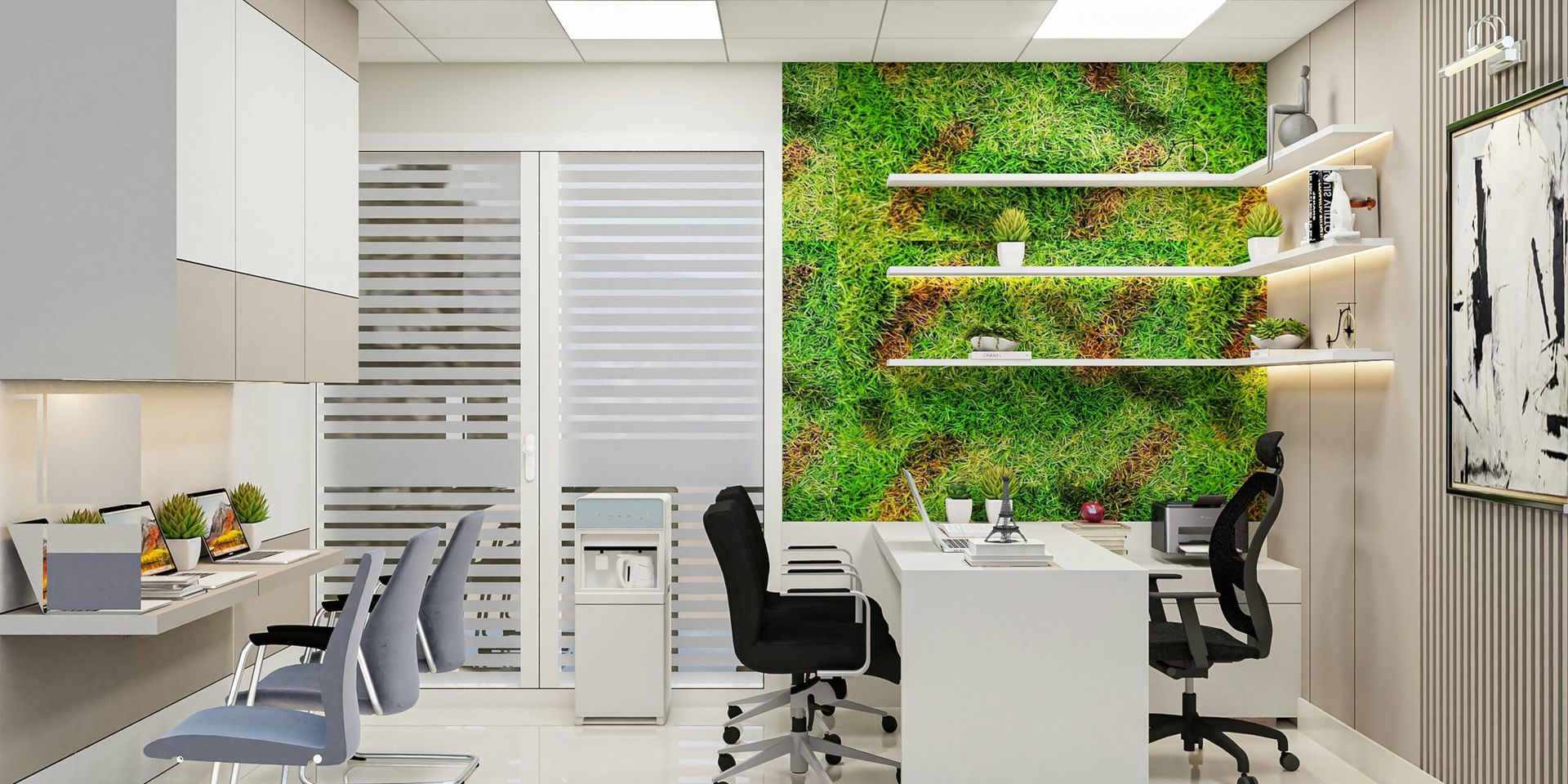
The Los Angeles commercial real estate market in 2025 is at a crossroads. The global pandemic dramatically changed the way people work, and as businesses adapt to a new hybrid model, the commercial real estate market is evolving to meet these changes. Developers and businesses in Los Angeles are increasingly embracing the concept of flexible office spaces, co-working environments, and creative campuses that provide a blend of physical and digital interaction to keep employees engaged and productive.
Hybrid Work Models Lead to Demand for Flexible Office Spaces
As of 2025, hybrid work has become the standard for many companies in Los Angeles, with employees working both remotely and in-office. This shift has transformed commercial real estate trends. According to a report from CBRE, nearly 40% of companies in Los Angeles have embraced flexible or hybrid work arrangements, significantly reducing the demand for traditional office spaces. This has caused a shift in the types of office spaces in demand.
Flexible office space has become a key feature in Los Angeles’ commercial real estate landscape. Developers are increasingly reimagining office buildings as “creative campuses” with open layouts, wellness features, and collaborative spaces that emphasize flexibility and comfort. These spaces are designed to encourage creativity, offering amenities such as fitness centers, on-site cafes, recreational areas, and soundproof conference rooms. Companies can now rent only the space they need, adjusting to changing workforce sizes and needs.
One prime example is WeWork, which has expanded its presence in Los Angeles with several new locations tailored to these new needs. The company’s office spaces in areas like Downtown LA and Culver City provide businesses with on-demand workspaces, offering flexibility for startups, entrepreneurs, and larger companies looking to scale operations without committing to long-term leases.
Creative Campuses: The New Normal for Office Design
In 2025, office design has evolved to reflect a focus on well-being and collaboration, key drivers in modern business. The creative campus model emphasizes a balance between workspaces and leisure, with architectural features that inspire innovation and employee engagement. For example, Riot Games’ headquarters in Los Angeles serves as a model for these creative campuses, offering open office spaces with lots of natural light, greenery, and flexible layouts designed for team collaboration. These offices are not just places to work but hubs of activity, social interaction, and creativity, aligning with the needs of today’s workforce.
These creative campuses are also designed to foster employee well-being. Mental health and wellness features, such as meditation rooms, outdoor spaces, and exercise facilities, have become critical components in the new office environment. Google’s Los Angeles office, for instance, has incorporated fitness rooms, sleeping pods, and communal dining areas to promote physical health, while also encouraging employees to connect and collaborate in a relaxed environment.
Challenges and Solutions in the Commercial Real Estate Market
Despite the influx of flexible office spaces and creative campuses, Los Angeles’ commercial real estate market is not without its challenges. The shift toward hybrid work has created a surplus of underutilized office buildings, particularly in the downtown area. The question remains: what will happen to these empty spaces?
Developers are addressing this challenge by repurposing existing office buildings for mixed-use purposes, incorporating residential units, retail spaces, and entertainment venues. Downtown LA is seeing the transformation of several office buildings into luxury apartment complexes and retail spaces, with multifunctional use in mind. This trend not only helps revitalize the urban core but also aligns with the growing demand for live-work-play spaces in metropolitan areas.
Additionally, with climate change and sustainability top of mind, developers are incorporating green initiatives into their projects. More office buildings in Los Angeles are being LEED-certified, ensuring that they meet sustainable building standards. Energy-efficient design, solar panels, and eco-friendly materials are becoming standard features of modern office spaces.
Rising Demand for Last-Mile Distribution Centers
While demand for traditional office spaces has declined, industrial real estate is booming in Los Angeles, particularly last-mile distribution centers. The growth of e-commerce has accelerated demand for distribution hubs close to major urban centers. Companies like Amazon and Target are investing in facilities in strategic locations across LA to meet the surge in online shopping.
These logistics hubs are transforming neighborhoods such as Inglewood and East LA, where vacant lots and industrial zones are being redeveloped into high-tech distribution centers. In 2025, Los Angeles plans to invest heavily in improving its logistics infrastructure, with significant public-private partnerships aimed at making the city’s supply chain more efficient.
A More Resilient and Adaptable Market
The future of Los Angeles commercial real estate in 2025 is one of adaptation and resilience. The shift to flexible workspaces, the rise of creative campuses, and the expansion of last-mile distribution centers are all part of the city’s broader strategy to keep pace with a rapidly changing economy.
Los Angeles is learning to embrace innovation while addressing the challenges presented by the hybrid work revolution and the growth of e-commerce. The city’s commercial real estate market, which has historically been a bellwether for the broader U.S. market, is positioning itself to thrive through these transitions by creating spaces that foster collaboration, flexibility, and sustainability.

Best Houses Contributor
Covers commercial property, development, and the zoning and regulation shaping where and how America builds.
This article features partner, contributor, or branded content from a third party. Members of the Best Houses editorial staff were not involved in the creation of this content. All views and opinions are those of the contributor alone.